
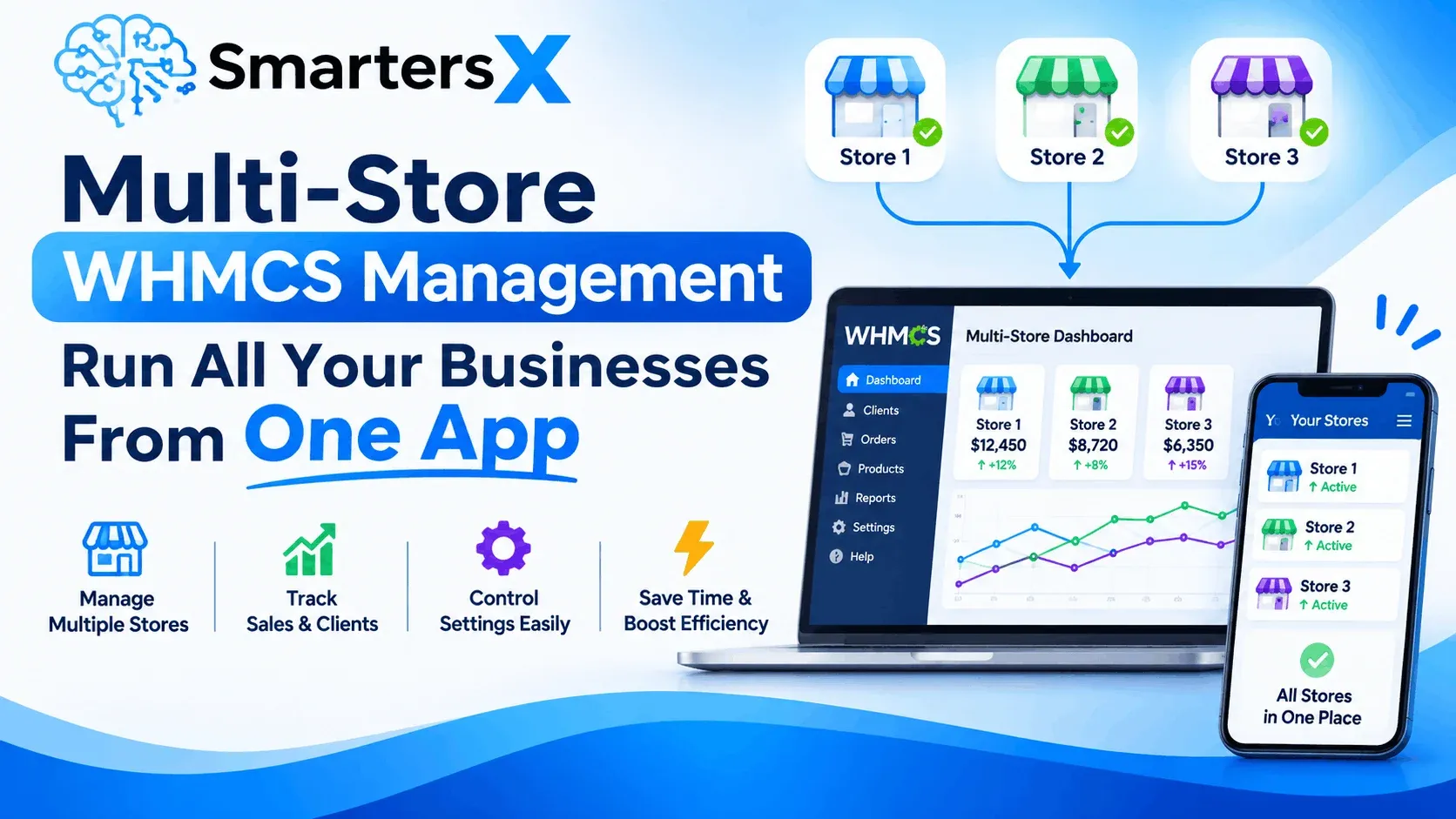
Multi-Store WHMCS Management: Run All Your Businesses From One App
Multi-store WHMCS management means keeping track of more than one WHMCS business, such as separate brands, regions, or product lines, without logging in to each admin area one by one. There are two ways to do it. You can merge brands into a single installation, or…
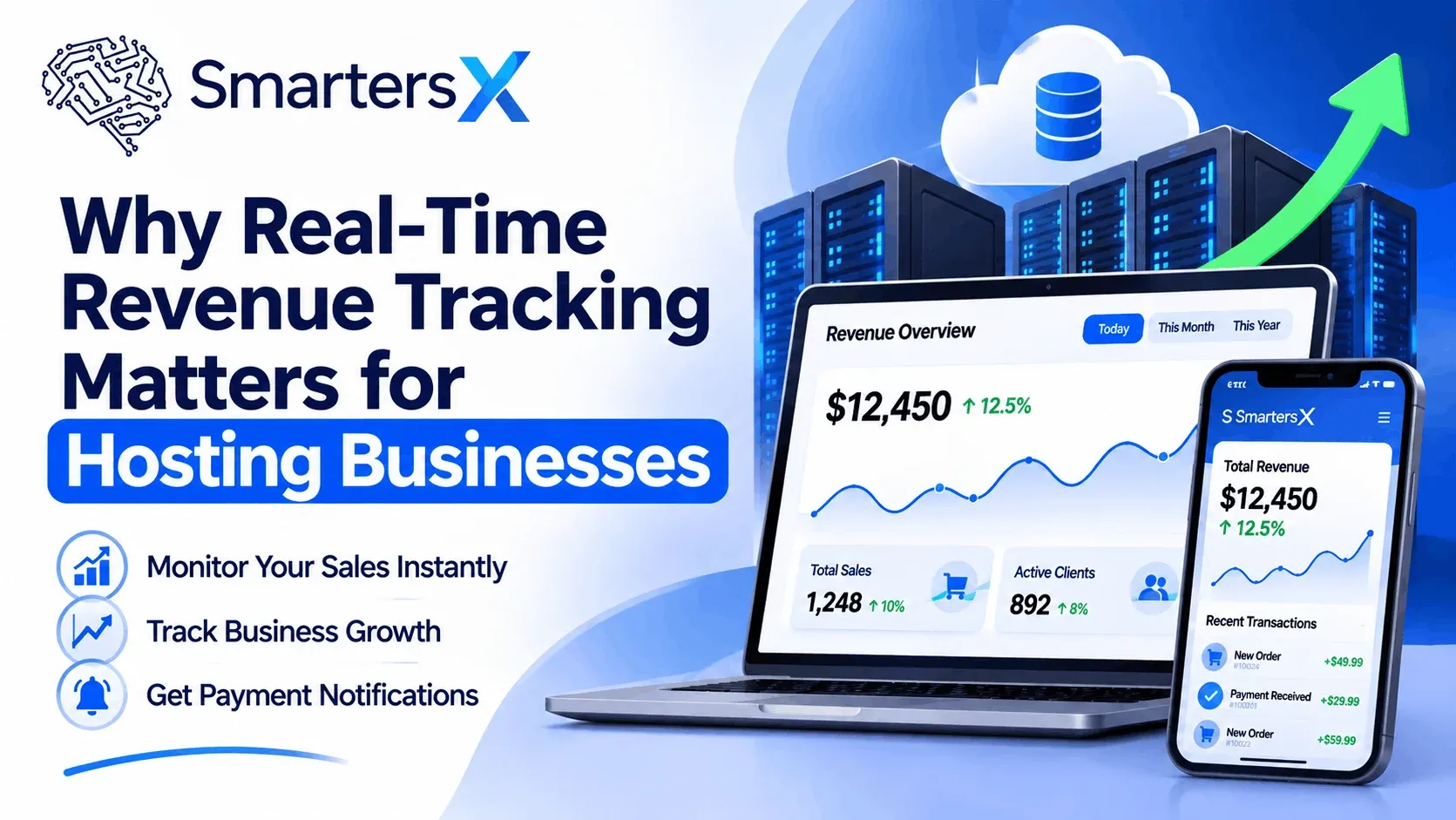
Why Real-Time Revenue Tracking Matters for Hosting Businesses
A WHMCS revenue dashboard shows your income, renewals, refunds and failed payments as they happen, so you can act today instead of discovering problems at month-end. For hosting providers, VPS companies, domain registrars, VPN providers and SaaS businesses that bill…
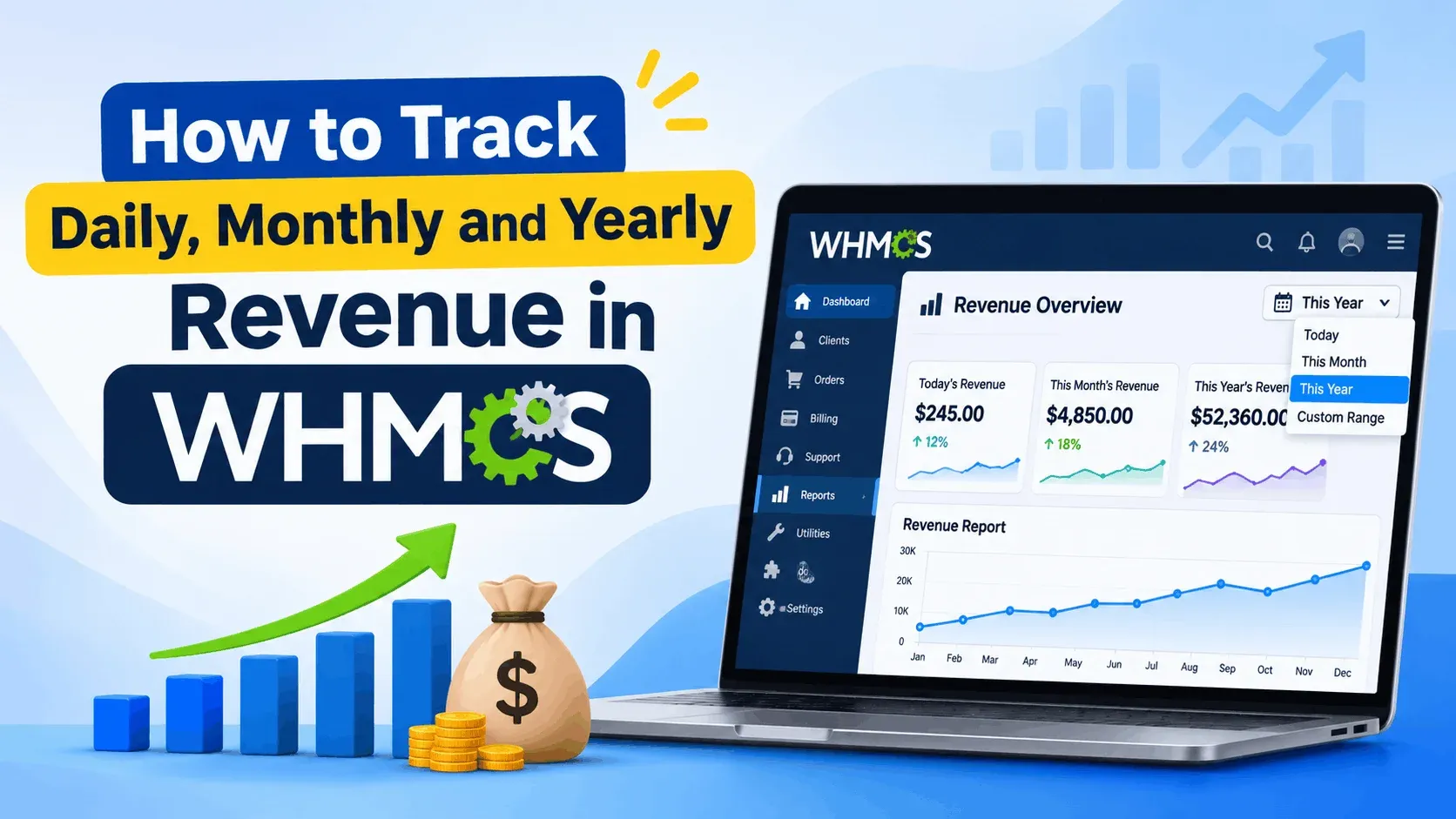
How to Track Daily, Monthly and Yearly Revenue in WHMCS
Any recurring-billing service on WHMCS, one question comes up again and again: how much money did we actually make? Not what was invoiced, but what was paid. WHMCS has several ways to answer this. Some are quick, and some take a little setup. This guide walks through…
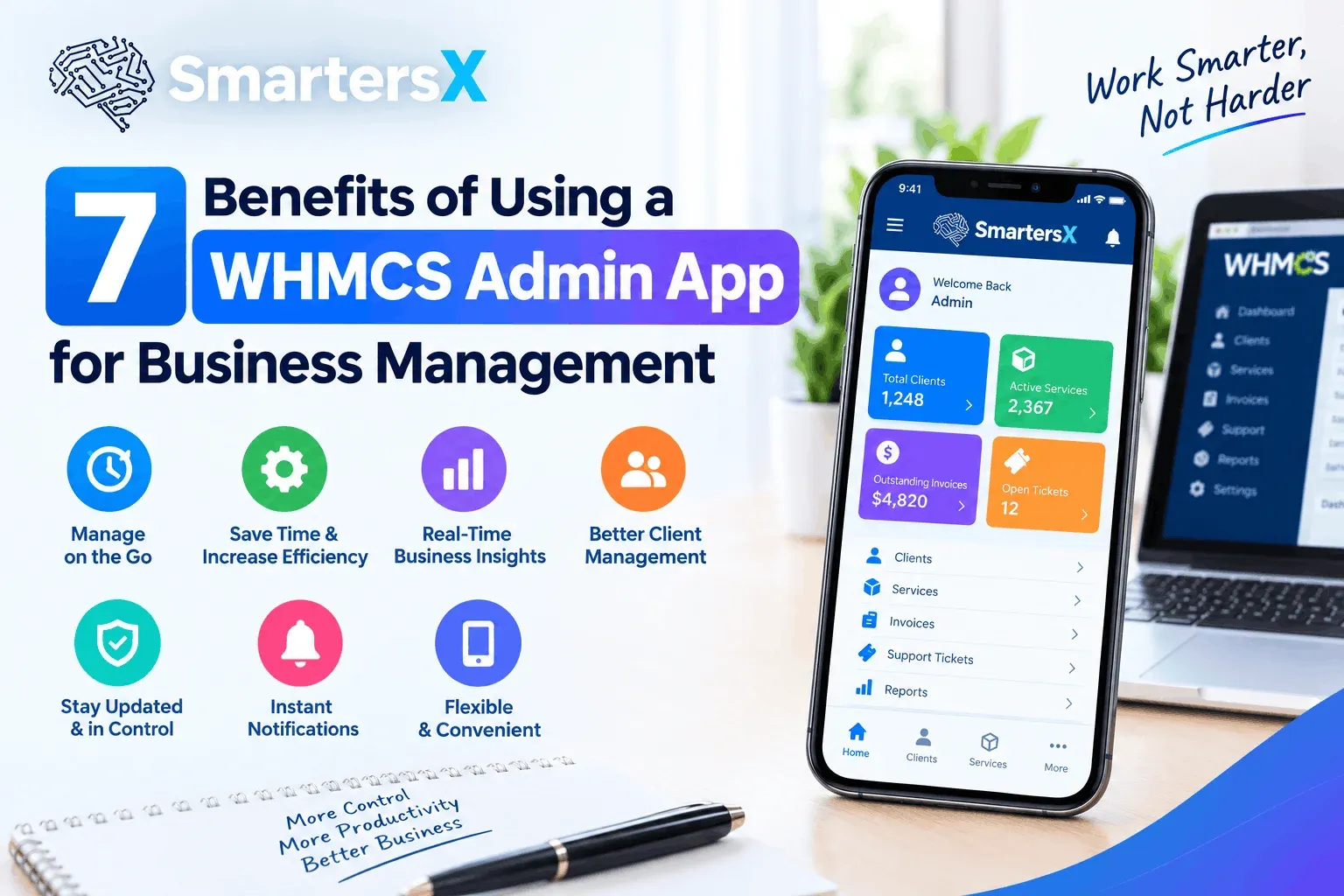
7 Benefits of Using a WHMCS Admin App for Business Management
If you run a hosting, domain, or IT services business on WHMCS, you know the work doesn’t stop when you leave your desk. Invoices go overdue, tickets pile up, and payments arrive at odd hours. A WHMCS admin app puts the key parts of your billing and support system in…
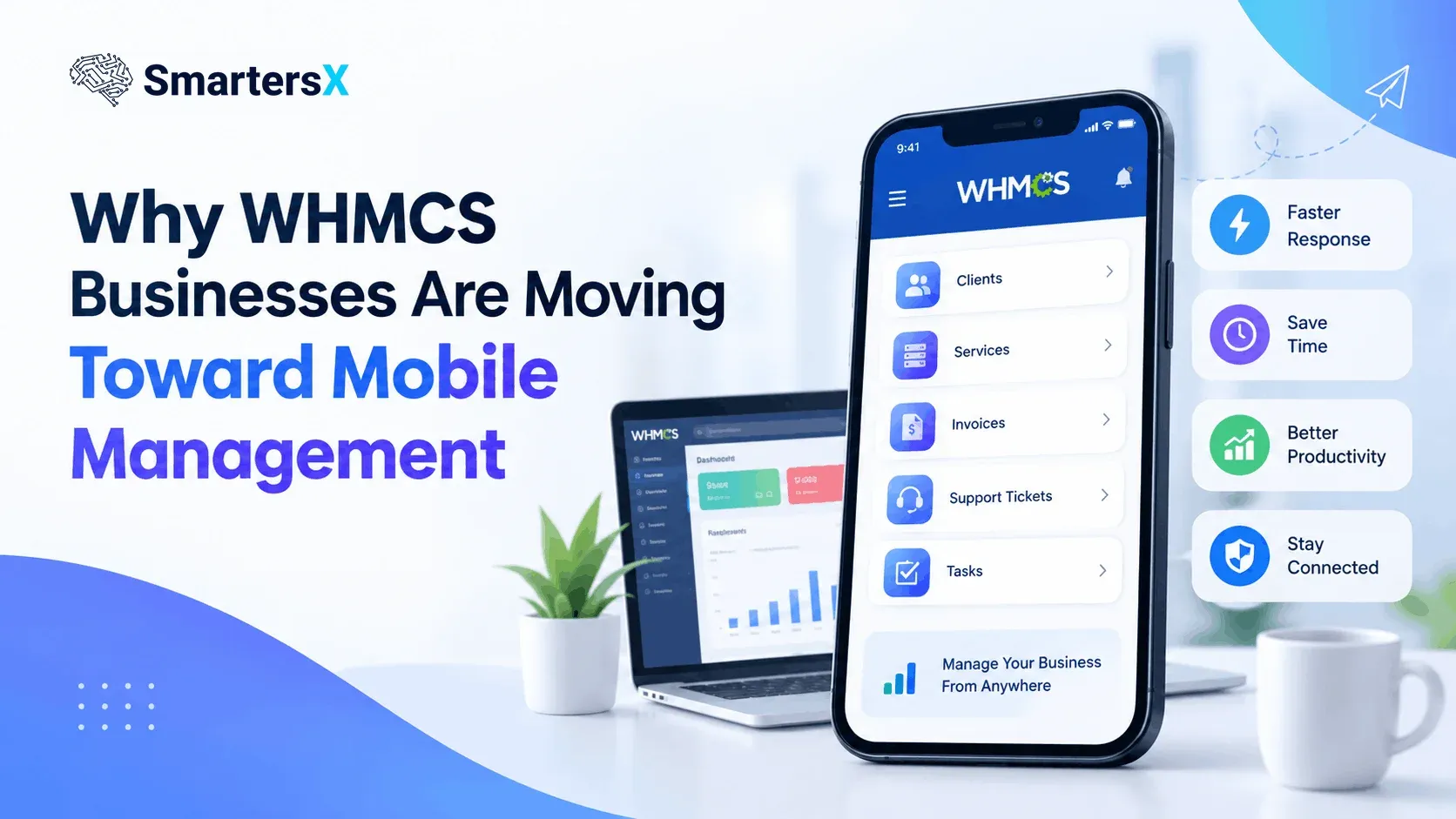
Why WHMCS Businesses Are Moving Toward Mobile Management
Running a WHMCS-based business no longer means sitting at a desk all day. Hosting companies, domain businesses, SaaS providers, and other subscription-based businesses often need to monitor orders, invoices, support requests, and customer accounts throughout the day….
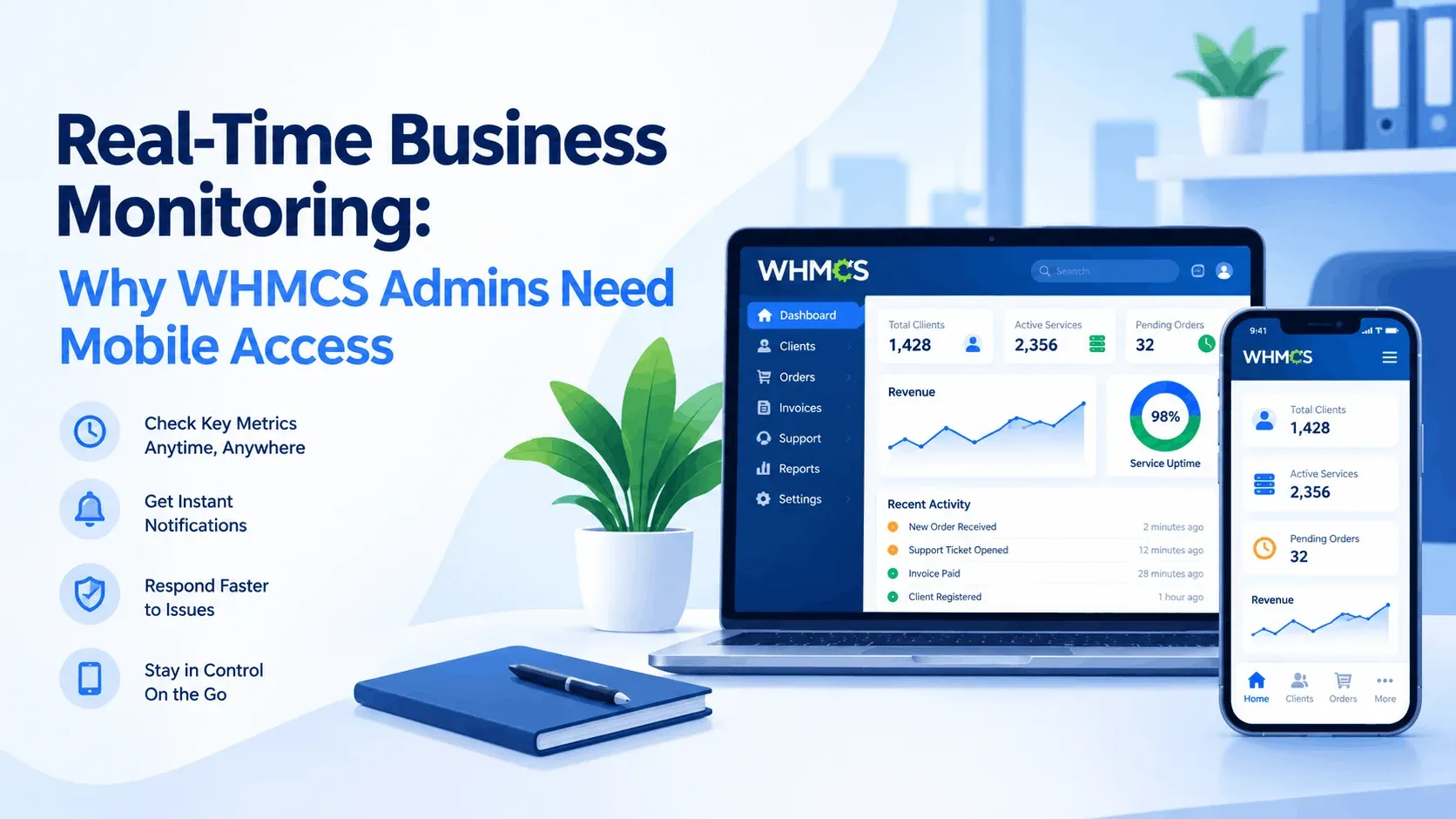
Real-Time Business Monitoring: Why WHMCS Admins Need Mobile Access
Running a hosting business on WHMCS means juggling invoices, tickets, client accounts, and payments all day. The problem is that most admins can only check on their business from a desktop. Step away from your laptop, and you’re flying blind until you log back in….